
sentiment analysis

Uncategorized

Construction Project Takeoff Software

Construction Project Takeoff Software If you work in a field where construction project takeoff software comes up, you already know the difference between an approach that is simply talked about and one that actually gets used. This guide is about the practical side: what construction project takeoff software really means, the mistakes that cost the most, and the specific steps that get results. Introduction Let’s be clear about one thing: construction project takeoff software is a practical discipline, not a buzzword. At its core, construction project takeoff software is about understanding the fundamentals before acting on them, which prevents wasted effort and misaligned expectations. What You Need to Know The most useful way to think about construction project takeoff software is as a repeatable process. Write the process down once, reuse it, and refine it as you learn what works for your project. Documentation turns experience into repeatable results. The Basics The Basics matters most when it is connected to a concrete goal, not treated in isolation. Why It Matters Why It Matters matters most when it is connected to a concrete goal, not treated in isolation. Step-by-Step Approach What follows is the part of construction project takeoff software that actually moves the needle. Clarify the outcome you are trying to reach, and what a successful result looks like. Collect the inputs you actually need — accurate data and clear requirements. Work the process in the right order, checking each stage before moving on. Review the result against your goal and note what to change next time. For construction project takeoff software, this structured approach pays off consistently. Do it well, review it, and adjust. Step 1 When you focus on step 1, you are really investing in a smoother, more reliable process. Step 2 When you focus on step 2, you are really investing in a smoother, more reliable process. Step 3 When you focus on step 3, you are really investing in a smoother, more reliable process. Common Mistakes to Avoid Whether you are new to construction project takeoff software or sharpening an existing process, the same fundamentals apply. Starting without a clear definition of the goal. Relying on a single best guess instead of a repeatable process. Ignoring the numbers until the end, when corrections are expensive. Treating construction project takeoff software as a one-off task instead of continuous improvement. For construction project takeoff software, these are the mistakes that cost the most — and they are all avoidable. Measuring Results Good construction project takeoff software is less about doing more and more about doing the right things. Pick a small number of metrics that directly reflect your goal. Set a baseline so you can see real change rather than guesswork. Review at a regular cadence and adjust the process, not just the numbers. For construction project takeoff software, tracking the right things turns guesswork into evidence. Conclusion You do not need to do everything at once. Master the fundamentals of construction project takeoff software, measure what happens, and refine over time. That steady, deliberate improvement is what turns construction project takeoff software into a genuine edge for your business. Write for the reader, not for a search engine. Make it genuinely useful. Let’s be clear about one thing: construction project takeoff software is a practical discipline, not a buzzword. Define what a good outcome looks like, then work backwards to the steps that produce it. This keeps the effort focused and measurable. Use the primary keyword naturally a handful of times; never force it. The most useful way to think about construction project takeoff software is as a repeatable process. Write the process down once, reuse it, and refine it as you learn what works for your project. Documentation turns experience into repeatable results. Use short paragraphs, lists, and concrete examples where they help. What follows is the part of construction project takeoff software that actually moves the needle. Picture a project where the team applies this deliberately: they define the outcome, gather the inputs, follow the process, and review the result. The difference is measurable — and it is repeatable. Do NOT include a “” intro or any cliché. Start with real substance. Whether you are new to construction project takeoff software or sharpening an existing process, the same fundamentals apply. The real value of construction project takeoff software is the clarity it gives: you know what to do, and you know when it is working. Do NOT fabricate statistics, quotes, or sources. Good construction project takeoff software is less about doing more and more about doing the right things. Keep the scope small and verifiable. Small wins build momentum and give you real data to improve with. Frequently Asked Questions What does Construction Project Takeoff Software mean? At its simplest, construction project takeoff software is a practical way to handle the task it describes, using a clear process and measurable results. Why does Construction Project Takeoff Software matter? It matters because it directly affects how efficiently and accurately the work gets done, which translates into time and cost savings. How do I get started with Construction Project Takeoff Software? Start small: define the outcome, list the inputs, apply the process step by step, and review the result before expanding.


Uncategorized

Construction Cost Estimation Software

Construction Cost Estimation Software If you work in a field where construction cost estimation software comes up, you already know the difference between an approach that is simply talked about and one that actually gets used. This guide is about the practical side: what construction cost estimation software really means, the mistakes that cost the most, and the specific steps that get results. Introduction Let’s be clear about one thing: construction cost estimation software is a practical discipline, not a buzzword. At its core, construction cost estimation software is about understanding the fundamentals before acting on them, which prevents wasted effort and misaligned expectations. What You Need to Know The most useful way to think about construction cost estimation software is as a repeatable process. Write the process down once, reuse it, and refine it as you learn what works for your project. Documentation turns experience into repeatable results. The Basics The Basics matters most when it is connected to a concrete goal, not treated in isolation. Why It Matters Why It Matters matters most when it is connected to a concrete goal, not treated in isolation. Step-by-Step Approach What follows is the part of construction cost estimation software that actually moves the needle. Clarify the outcome you are trying to reach, and what a successful result looks like. Collect the inputs you actually need — accurate data and clear requirements. Work the process in the right order, checking each stage before moving on. Review the result against your goal and note what to change next time. For construction cost estimation software, this structured approach pays off consistently. Do it well, review it, and adjust. Step 1 When you focus on step 1, you are really investing in a smoother, more reliable process. Step 2 When you focus on step 2, you are really investing in a smoother, more reliable process. Step 3 When you focus on step 3, you are really investing in a smoother, more reliable process. Common Mistakes to Avoid Whether you are new to construction cost estimation software or sharpening an existing process, the same fundamentals apply. Starting without a clear definition of the goal. Relying on a single best guess instead of a repeatable process. Ignoring the numbers until the end, when corrections are expensive. Treating construction cost estimation software as a one-off task instead of continuous improvement. For construction cost estimation software, these are the mistakes that cost the most — and they are all avoidable. Measuring Results Good construction cost estimation software is less about doing more and more about doing the right things. Pick a small number of metrics that directly reflect your goal. Set a baseline so you can see real change rather than guesswork. Review at a regular cadence and adjust the process, not just the numbers. For construction cost estimation software, tracking the right things turns guesswork into evidence. Conclusion You do not need to do everything at once. Master the fundamentals of construction cost estimation software, measure what happens, and refine over time. That steady, deliberate improvement is what turns construction cost estimation software into a genuine edge for your business. Write for the reader, not for a search engine. Make it genuinely useful. Let’s be clear about one thing: construction cost estimation software is a practical discipline, not a buzzword. Define what a good outcome looks like, then work backwards to the steps that produce it. This keeps the effort focused and measurable. Use the primary keyword naturally a handful of times; never force it. The most useful way to think about construction cost estimation software is as a repeatable process. Write the process down once, reuse it, and refine it as you learn what works for your project. Documentation turns experience into repeatable results. Use short paragraphs, lists, and concrete examples where they help. What follows is the part of construction cost estimation software that actually moves the needle. Picture a project where the team applies this deliberately: they define the outcome, gather the inputs, follow the process, and review the result. The difference is measurable — and it is repeatable. Do NOT include a “” intro or any cliché. Start with real substance. Whether you are new to construction cost estimation software or sharpening an existing process, the same fundamentals apply. The real value of construction cost estimation software is the clarity it gives: you know what to do, and you know when it is working. Do NOT fabricate statistics, quotes, or sources. Good construction cost estimation software is less about doing more and more about doing the right things. Keep the scope small and verifiable. Small wins build momentum and give you real data to improve with. Frequently Asked Questions What does Construction Cost Estimation Software mean? At its simplest, construction cost estimation software is a practical way to handle the task it describes, using a clear process and measurable results. Why does Construction Cost Estimation Software matter? It matters because it directly affects how efficiently and accurately the work gets done, which translates into time and cost savings. How do I get started with Construction Cost Estimation Software? Start small: define the outcome, list the inputs, apply the process step by step, and review the result before expanding.

Uncategorized

AI for Small Business Productivity

AI for Small Business Productivity If you work in a field where ai for small business productivity comes up, you already know the difference between an approach that is simply talked about and one that actually gets used. This guide is about the practical side: what ai for small business productivity really means, the mistakes that cost the most, and the specific steps that get results. Introduction Let’s be clear about one thing: ai for small business productivity is a practical discipline, not a buzzword. At its core, ai for small business productivity is about understanding the fundamentals before acting on them, which prevents wasted effort and misaligned expectations. What You Need to Know The most useful way to think about ai for small business productivity is as a repeatable process. Write the process down once, reuse it, and refine it as you learn what works for your project. Documentation turns experience into repeatable results. The Basics The Basics matters most when it is connected to a concrete goal, not treated in isolation. Why It Matters Why It Matters matters most when it is connected to a concrete goal, not treated in isolation. Step-by-Step Approach What follows is the part of ai for small business productivity that actually moves the needle. Clarify the outcome you are trying to reach, and what a successful result looks like. Collect the inputs you actually need — accurate data and clear requirements. Work the process in the right order, checking each stage before moving on. Review the result against your goal and note what to change next time. For ai for small business productivity, this structured approach pays off consistently. Do it well, review it, and adjust. Step 1 When you focus on step 1, you are really investing in a smoother, more reliable process. Step 2 When you focus on step 2, you are really investing in a smoother, more reliable process. Step 3 When you focus on step 3, you are really investing in a smoother, more reliable process. Common Mistakes to Avoid Whether you are new to ai for small business productivity or sharpening an existing process, the same fundamentals apply. Starting without a clear definition of the goal. Relying on a single best guess instead of a repeatable process. Ignoring the numbers until the end, when corrections are expensive. Treating ai for small business productivity as a one-off task instead of continuous improvement. For ai for small business productivity, these are the mistakes that cost the most — and they are all avoidable. Measuring Results Good ai for small business productivity is less about doing more and more about doing the right things. Pick a small number of metrics that directly reflect your goal. Set a baseline so you can see real change rather than guesswork. Review at a regular cadence and adjust the process, not just the numbers. For ai for small business productivity, tracking the right things turns guesswork into evidence. Conclusion You do not need to do everything at once. Master the fundamentals of ai for small business productivity, measure what happens, and refine over time. That steady, deliberate improvement is what turns ai for small business productivity into a genuine edge for your business. Write for the reader, not for a search engine. Make it genuinely useful. Let’s be clear about one thing: ai for small business productivity is a practical discipline, not a buzzword. Define what a good outcome looks like, then work backwards to the steps that produce it. This keeps the effort focused and measurable. Use the primary keyword naturally a handful of times; never force it. The most useful way to think about ai for small business productivity is as a repeatable process. Write the process down once, reuse it, and refine it as you learn what works for your project. Documentation turns experience into repeatable results. Use short paragraphs, lists, and concrete examples where they help. What follows is the part of ai for small business productivity that actually moves the needle. Picture a project where the team applies this deliberately: they define the outcome, gather the inputs, follow the process, and review the result. The difference is measurable — and it is repeatable. Do NOT include a “” intro or any cliché. Start with real substance. Whether you are new to ai for small business productivity or sharpening an existing process, the same fundamentals apply. The real value of ai for small business productivity is the clarity it gives: you know what to do, and you know when it is working. Do NOT fabricate statistics, quotes, or sources. Good ai for small business productivity is less about doing more and more about doing the right things. Keep the scope small and verifiable. Small wins build momentum and give you real data to improve with. Frequently Asked Questions What does AI for Small Business Productivity mean? At its simplest, ai for small business productivity is a practical way to handle the task it describes, using a clear process and measurable results. Why does AI for Small Business Productivity matter? It matters because it directly affects how efficiently and accurately the work gets done, which translates into time and cost savings. How do I get started with AI for Small Business Productivity? Start small: define the outcome, list the inputs, apply the process step by step, and review the result before expanding.

Uncategorized

Best AI Tools for Construction Estimating

Best AI Tools for Construction Estimating If you work in a field where best ai tools for construction estimating comes up, you already know the difference between an approach that is simply talked about and one that actually gets used. This guide is about the practical side: what best ai tools for construction estimating really means, the mistakes that cost the most, and the specific steps that get results. Introduction Let’s be clear about one thing: best ai tools for construction estimating is a practical discipline, not a buzzword. At its core, best ai tools for construction estimating is about understanding the fundamentals before acting on them, which prevents wasted effort and misaligned expectations. What You Need to Know The most useful way to think about best ai tools for construction estimating is as a repeatable process. Write the process down once, reuse it, and refine it as you learn what works for your project. Documentation turns experience into repeatable results. The Basics The Basics matters most when it is connected to a concrete goal, not treated in isolation. Why It Matters Why It Matters matters most when it is connected to a concrete goal, not treated in isolation. Step-by-Step Approach What follows is the part of best ai tools for construction estimating that actually moves the needle. Clarify the outcome you are trying to reach, and what a successful result looks like. Collect the inputs you actually need — accurate data and clear requirements. Work the process in the right order, checking each stage before moving on. Review the result against your goal and note what to change next time. For best ai tools for construction estimating, this structured approach pays off consistently. Do it well, review it, and adjust. Step 1 When you focus on step 1, you are really investing in a smoother, more reliable process. Step 2 When you focus on step 2, you are really investing in a smoother, more reliable process. Step 3 When you focus on step 3, you are really investing in a smoother, more reliable process. Common Mistakes to Avoid Whether you are new to best ai tools for construction estimating or sharpening an existing process, the same fundamentals apply. Starting without a clear definition of the goal. Relying on a single best guess instead of a repeatable process. Ignoring the numbers until the end, when corrections are expensive. Treating best ai tools for construction estimating as a one-off task instead of continuous improvement. For best ai tools for construction estimating, these are the mistakes that cost the most — and they are all avoidable. Measuring Results Good best ai tools for construction estimating is less about doing more and more about doing the right things. Pick a small number of metrics that directly reflect your goal. Set a baseline so you can see real change rather than guesswork. Review at a regular cadence and adjust the process, not just the numbers. For best ai tools for construction estimating, tracking the right things turns guesswork into evidence. Conclusion You do not need to do everything at once. Master the fundamentals of best ai tools for construction estimating, measure what happens, and refine over time. That steady, deliberate improvement is what turns best ai tools for construction estimating into a genuine edge for your business. Write for the reader, not for a search engine. Make it genuinely useful. Let’s be clear about one thing: best ai tools for construction estimating is a practical discipline, not a buzzword. Define what a good outcome looks like, then work backwards to the steps that produce it. This keeps the effort focused and measurable. Use the primary keyword naturally a handful of times; never force it. The most useful way to think about best ai tools for construction estimating is as a repeatable process. Write the process down once, reuse it, and refine it as you learn what works for your project. Documentation turns experience into repeatable results. Use short paragraphs, lists, and concrete examples where they help. What follows is the part of best ai tools for construction estimating that actually moves the needle. Picture a project where the team applies this deliberately: they define the outcome, gather the inputs, follow the process, and review the result. The difference is measurable — and it is repeatable. Do NOT include a “” intro or any cliché. Start with real substance. Whether you are new to best ai tools for construction estimating or sharpening an existing process, the same fundamentals apply. The real value of best ai tools for construction estimating is the clarity it gives: you know what to do, and you know when it is working. Do NOT fabricate statistics, quotes, or sources. Good best ai tools for construction estimating is less about doing more and more about doing the right things. Keep the scope small and verifiable. Small wins build momentum and give you real data to improve with. Frequently Asked Questions What does Best AI Tools for Construction Estimating mean? At its simplest, best ai tools for construction estimating is a practical way to handle the task it describes, using a clear process and measurable results. Why does Best AI Tools for Construction Estimating matter? It matters because it directly affects how efficiently and accurately the work gets done, which translates into time and cost savings. How do I get started with Best AI Tools for Construction Estimating? Start small: define the outcome, list the inputs, apply the process step by step, and review the result before expanding.

Uncategorized

How to Choose an AI Tool

How to Choose an AI Tool If you work in a field where how to choose an ai tool comes up, you already know the difference between an approach that is simply talked about and one that actually gets used. This guide is about the practical side: what how to choose an ai tool really means, the mistakes that cost the most, and the specific steps that get results. Introduction Let’s be clear about one thing: how to choose an ai tool is a practical discipline, not a buzzword. At its core, how to choose an ai tool is about understanding the fundamentals before acting on them, which prevents wasted effort and misaligned expectations. What You Need to Know The most useful way to think about how to choose an ai tool is as a repeatable process. Write the process down once, reuse it, and refine it as you learn what works for your project. Documentation turns experience into repeatable results. The Basics The Basics matters most when it is connected to a concrete goal, not treated in isolation. Why It Matters Why It Matters matters most when it is connected to a concrete goal, not treated in isolation. Step-by-Step Approach What follows is the part of how to choose an ai tool that actually moves the needle. Clarify the outcome you are trying to reach, and what a successful result looks like. Collect the inputs you actually need — accurate data and clear requirements. Work the process in the right order, checking each stage before moving on. Review the result against your goal and note what to change next time. For how to choose an ai tool, this structured approach pays off consistently. Do it well, review it, and adjust. Step 1 When you focus on step 1, you are really investing in a smoother, more reliable process. Step 2 When you focus on step 2, you are really investing in a smoother, more reliable process. Step 3 When you focus on step 3, you are really investing in a smoother, more reliable process. Common Mistakes to Avoid Whether you are new to how to choose an ai tool or sharpening an existing process, the same fundamentals apply. Starting without a clear definition of the goal. Relying on a single best guess instead of a repeatable process. Ignoring the numbers until the end, when corrections are expensive. Treating how to choose an ai tool as a one-off task instead of continuous improvement. For how to choose an ai tool, these are the mistakes that cost the most — and they are all avoidable. Measuring Results Good how to choose an ai tool is less about doing more and more about doing the right things. Pick a small number of metrics that directly reflect your goal. Set a baseline so you can see real change rather than guesswork. Review at a regular cadence and adjust the process, not just the numbers. For how to choose an ai tool, tracking the right things turns guesswork into evidence. Conclusion You do not need to do everything at once. Master the fundamentals of how to choose an ai tool, measure what happens, and refine over time. That steady, deliberate improvement is what turns how to choose an ai tool into a genuine edge for your business. Write for the reader, not for a search engine. Make it genuinely useful. Let’s be clear about one thing: how to choose an ai tool is a practical discipline, not a buzzword. Define what a good outcome looks like, then work backwards to the steps that produce it. This keeps the effort focused and measurable. Use the primary keyword naturally a handful of times; never force it. The most useful way to think about how to choose an ai tool is as a repeatable process. Write the process down once, reuse it, and refine it as you learn what works for your project. Documentation turns experience into repeatable results. Use short paragraphs, lists, and concrete examples where they help. What follows is the part of how to choose an ai tool that actually moves the needle. Picture a project where the team applies this deliberately: they define the outcome, gather the inputs, follow the process, and review the result. The difference is measurable — and it is repeatable. Do NOT include a “” intro or any cliché. Start with real substance. Whether you are new to how to choose an ai tool or sharpening an existing process, the same fundamentals apply. The real value of how to choose an ai tool is the clarity it gives: you know what to do, and you know when it is working. Do NOT fabricate statistics, quotes, or sources. Good how to choose an ai tool is less about doing more and more about doing the right things. Keep the scope small and verifiable. Small wins build momentum and give you real data to improve with. Frequently Asked Questions What does How to Choose an AI Tool mean? At its simplest, how to choose an ai tool is a practical way to handle the task it describes, using a clear process and measurable results. Why does How to Choose an AI Tool matter? It matters because it directly affects how efficiently and accurately the work gets done, which translates into time and cost savings. How do I get started with How to Choose an AI Tool? Start small: define the outcome, list the inputs, apply the process step by step, and review the result before expanding.

Uncategorized

AI Content Creation

AI Content Creation If you work in a field where ai content creation comes up, you already know the difference between an approach that is simply talked about and one that actually gets used. This guide is about the practical side: what ai content creation really means, the mistakes that cost the most, and the specific steps that get results. Introduction Let’s be clear about one thing: ai content creation is a practical discipline, not a buzzword. At its core, ai content creation is about understanding the fundamentals before acting on them, which prevents wasted effort and misaligned expectations. What You Need to Know The most useful way to think about ai content creation is as a repeatable process. Write the process down once, reuse it, and refine it as you learn what works for your project. Documentation turns experience into repeatable results. The Basics The Basics matters most when it is connected to a concrete goal, not treated in isolation. Why It Matters Why It Matters matters most when it is connected to a concrete goal, not treated in isolation. Step-by-Step Approach What follows is the part of ai content creation that actually moves the needle. Clarify the outcome you are trying to reach, and what a successful result looks like. Collect the inputs you actually need — accurate data and clear requirements. Work the process in the right order, checking each stage before moving on. Review the result against your goal and note what to change next time. For ai content creation, this structured approach pays off consistently. Do it well, review it, and adjust. Step 1 When you focus on step 1, you are really investing in a smoother, more reliable process. Step 2 When you focus on step 2, you are really investing in a smoother, more reliable process. Step 3 When you focus on step 3, you are really investing in a smoother, more reliable process. Common Mistakes to Avoid Whether you are new to ai content creation or sharpening an existing process, the same fundamentals apply. Starting without a clear definition of the goal. Relying on a single best guess instead of a repeatable process. Ignoring the numbers until the end, when corrections are expensive. Treating ai content creation as a one-off task instead of continuous improvement. For ai content creation, these are the mistakes that cost the most — and they are all avoidable. Measuring Results Good ai content creation is less about doing more and more about doing the right things. Pick a small number of metrics that directly reflect your goal. Set a baseline so you can see real change rather than guesswork. Review at a regular cadence and adjust the process, not just the numbers. For ai content creation, tracking the right things turns guesswork into evidence. Conclusion You do not need to do everything at once. Master the fundamentals of ai content creation, measure what happens, and refine over time. That steady, deliberate improvement is what turns ai content creation into a genuine edge for your business. Write for the reader, not for a search engine. Make it genuinely useful. Let’s be clear about one thing: ai content creation is a practical discipline, not a buzzword. Define what a good outcome looks like, then work backwards to the steps that produce it. This keeps the effort focused and measurable. Use the primary keyword naturally a handful of times; never force it. The most useful way to think about ai content creation is as a repeatable process. Write the process down once, reuse it, and refine it as you learn what works for your project. Documentation turns experience into repeatable results. Use short paragraphs, lists, and concrete examples where they help. What follows is the part of ai content creation that actually moves the needle. Picture a project where the team applies this deliberately: they define the outcome, gather the inputs, follow the process, and review the result. The difference is measurable — and it is repeatable. Do NOT include a “” intro or any cliché. Start with real substance. Whether you are new to ai content creation or sharpening an existing process, the same fundamentals apply. The real value of ai content creation is the clarity it gives: you know what to do, and you know when it is working. Do NOT fabricate statistics, quotes, or sources. Good ai content creation is less about doing more and more about doing the right things. Keep the scope small and verifiable. Small wins build momentum and give you real data to improve with. Frequently Asked Questions What does AI Content Creation mean? At its simplest, ai content creation is a practical way to handle the task it describes, using a clear process and measurable results. Why does AI Content Creation matter? It matters because it directly affects how efficiently and accurately the work gets done, which translates into time and cost savings. How do I get started with AI Content Creation? Start small: define the outcome, list the inputs, apply the process step by step, and review the result before expanding.
Uncategorized

Content Marketing for Construction

Content Marketing for Construction If you work in a field where content marketing for construction comes up, you already know the difference between an approach that is simply talked about and one that actually gets used. This guide is about the practical side: what content marketing for construction really means, the mistakes that cost the most, and the specific steps that get results. Introduction Let’s be clear about one thing: content marketing for construction is a practical discipline, not a buzzword. At its core, content marketing for construction is about understanding the fundamentals before acting on them, which prevents wasted effort and misaligned expectations. What You Need to Know The most useful way to think about content marketing for construction is as a repeatable process. Write the process down once, reuse it, and refine it as you learn what works for your project. Documentation turns experience into repeatable results. The Basics The Basics matters most when it is connected to a concrete goal, not treated in isolation. Why It Matters Why It Matters matters most when it is connected to a concrete goal, not treated in isolation. Step-by-Step Approach What follows is the part of content marketing for construction that actually moves the needle. Clarify the outcome you are trying to reach, and what a successful result looks like. Collect the inputs you actually need — accurate data and clear requirements. Work the process in the right order, checking each stage before moving on. Review the result against your goal and note what to change next time. For content marketing for construction, this structured approach pays off consistently. Do it well, review it, and adjust. Step 1 When you focus on step 1, you are really investing in a smoother, more reliable process. Step 2 When you focus on step 2, you are really investing in a smoother, more reliable process. Step 3 When you focus on step 3, you are really investing in a smoother, more reliable process. Common Mistakes to Avoid Whether you are new to content marketing for construction or sharpening an existing process, the same fundamentals apply. Starting without a clear definition of the goal. Relying on a single best guess instead of a repeatable process. Ignoring the numbers until the end, when corrections are expensive. Treating content marketing for construction as a one-off task instead of continuous improvement. For content marketing for construction, these are the mistakes that cost the most — and they are all avoidable. Measuring Results Good content marketing for construction is less about doing more and more about doing the right things. Pick a small number of metrics that directly reflect your goal. Set a baseline so you can see real change rather than guesswork. Review at a regular cadence and adjust the process, not just the numbers. For content marketing for construction, tracking the right things turns guesswork into evidence. Conclusion You do not need to do everything at once. Master the fundamentals of content marketing for construction, measure what happens, and refine over time. That steady, deliberate improvement is what turns content marketing for construction into a genuine edge for your business. Write for the reader, not for a search engine. Make it genuinely useful. Let’s be clear about one thing: content marketing for construction is a practical discipline, not a buzzword. Define what a good outcome looks like, then work backwards to the steps that produce it. This keeps the effort focused and measurable. Use the primary keyword naturally a handful of times; never force it. The most useful way to think about content marketing for construction is as a repeatable process. Write the process down once, reuse it, and refine it as you learn what works for your project. Documentation turns experience into repeatable results. Use short paragraphs, lists, and concrete examples where they help. What follows is the part of content marketing for construction that actually moves the needle. Picture a project where the team applies this deliberately: they define the outcome, gather the inputs, follow the process, and review the result. The difference is measurable — and it is repeatable. Do NOT include a “” intro or any cliché. Start with real substance. Whether you are new to content marketing for construction or sharpening an existing process, the same fundamentals apply. The real value of content marketing for construction is the clarity it gives: you know what to do, and you know when it is working. Do NOT fabricate statistics, quotes, or sources. Good content marketing for construction is less about doing more and more about doing the right things. Keep the scope small and verifiable. Small wins build momentum and give you real data to improve with. Frequently Asked Questions What does Content Marketing for Construction mean? At its simplest, content marketing for construction is a practical way to handle the task it describes, using a clear process and measurable results. Why does Content Marketing for Construction matter? It matters because it directly affects how efficiently and accurately the work gets done, which translates into time and cost savings. How do I get started with Content Marketing for Construction? Start small: define the outcome, list the inputs, apply the process step by step, and review the result before expanding.

Uncategorized

AI Tools for Small Business

AI Tools for Small Business If you work in a field where ai tools for small business comes up, you already know the difference between an approach that is simply talked about and one that actually gets used. This guide is about the practical side: what ai tools for small business really means, the mistakes that cost the most, and the specific steps that get results. Introduction Let’s be clear about one thing: ai tools for small business is a practical discipline, not a buzzword. At its core, ai tools for small business is about understanding the fundamentals before acting on them, which prevents wasted effort and misaligned expectations. What You Need to Know The most useful way to think about ai tools for small business is as a repeatable process. Write the process down once, reuse it, and refine it as you learn what works for your project. Documentation turns experience into repeatable results. The Basics The Basics matters most when it is connected to a concrete goal, not treated in isolation. Why It Matters Why It Matters matters most when it is connected to a concrete goal, not treated in isolation. Step-by-Step Approach What follows is the part of ai tools for small business that actually moves the needle. Clarify the outcome you are trying to reach, and what a successful result looks like. Collect the inputs you actually need — accurate data and clear requirements. Work the process in the right order, checking each stage before moving on. Review the result against your goal and note what to change next time. For ai tools for small business, this structured approach pays off consistently. Do it well, review it, and adjust. Step 1 When you focus on step 1, you are really investing in a smoother, more reliable process. Step 2 When you focus on step 2, you are really investing in a smoother, more reliable process. Step 3 When you focus on step 3, you are really investing in a smoother, more reliable process. Common Mistakes to Avoid Whether you are new to ai tools for small business or sharpening an existing process, the same fundamentals apply. Starting without a clear definition of the goal. Relying on a single best guess instead of a repeatable process. Ignoring the numbers until the end, when corrections are expensive. Treating ai tools for small business as a one-off task instead of continuous improvement. For ai tools for small business, these are the mistakes that cost the most — and they are all avoidable. Measuring Results Good ai tools for small business is less about doing more and more about doing the right things. Pick a small number of metrics that directly reflect your goal. Set a baseline so you can see real change rather than guesswork. Review at a regular cadence and adjust the process, not just the numbers. For ai tools for small business, tracking the right things turns guesswork into evidence. Conclusion You do not need to do everything at once. Master the fundamentals of ai tools for small business, measure what happens, and refine over time. That steady, deliberate improvement is what turns ai tools for small business into a genuine edge for your business. Write for the reader, not for a search engine. Make it genuinely useful. Let’s be clear about one thing: ai tools for small business is a practical discipline, not a buzzword. Define what a good outcome looks like, then work backwards to the steps that produce it. This keeps the effort focused and measurable. Use the primary keyword naturally a handful of times; never force it. The most useful way to think about ai tools for small business is as a repeatable process. Write the process down once, reuse it, and refine it as you learn what works for your project. Documentation turns experience into repeatable results. Use short paragraphs, lists, and concrete examples where they help. What follows is the part of ai tools for small business that actually moves the needle. Picture a project where the team applies this deliberately: they define the outcome, gather the inputs, follow the process, and review the result. The difference is measurable — and it is repeatable. Do NOT include a “” intro or any cliché. Start with real substance. Whether you are new to ai tools for small business or sharpening an existing process, the same fundamentals apply. The real value of ai tools for small business is the clarity it gives: you know what to do, and you know when it is working. Do NOT fabricate statistics, quotes, or sources. Good ai tools for small business is less about doing more and more about doing the right things. Keep the scope small and verifiable. Small wins build momentum and give you real data to improve with. Frequently Asked Questions What does AI Tools for Small Business mean? At its simplest, ai tools for small business is a practical way to handle the task it describes, using a clear process and measurable results. Why does AI Tools for Small Business matter? It matters because it directly affects how efficiently and accurately the work gets done, which translates into time and cost savings. How do I get started with AI Tools for Small Business? Start small: define the outcome, list the inputs, apply the process step by step, and review the result before expanding.

Uncategorized

Best Time Management Tools

Best Time Management Tools If you work in a field where best time management tools comes up, you already know the difference between an approach that is simply talked about and one that actually gets used. This guide is about the practical side: what best time management tools really means, the mistakes that cost the most, and the specific steps that get results. Introduction Let’s be clear about one thing: best time management tools is a practical discipline, not a buzzword. At its core, best time management tools is about understanding the fundamentals before acting on them, which prevents wasted effort and misaligned expectations. What You Need to Know The most useful way to think about best time management tools is as a repeatable process. Write the process down once, reuse it, and refine it as you learn what works for your project. Documentation turns experience into repeatable results. The Basics The Basics matters most when it is connected to a concrete goal, not treated in isolation. Why It Matters Why It Matters matters most when it is connected to a concrete goal, not treated in isolation. Step-by-Step Approach What follows is the part of best time management tools that actually moves the needle. Clarify the outcome you are trying to reach, and what a successful result looks like. Collect the inputs you actually need — accurate data and clear requirements. Work the process in the right order, checking each stage before moving on. Review the result against your goal and note what to change next time. For best time management tools, this structured approach pays off consistently. Do it well, review it, and adjust. Step 1 When you focus on step 1, you are really investing in a smoother, more reliable process. Step 2 When you focus on step 2, you are really investing in a smoother, more reliable process. Step 3 When you focus on step 3, you are really investing in a smoother, more reliable process. Common Mistakes to Avoid Whether you are new to best time management tools or sharpening an existing process, the same fundamentals apply. Starting without a clear definition of the goal. Relying on a single best guess instead of a repeatable process. Ignoring the numbers until the end, when corrections are expensive. Treating best time management tools as a one-off task instead of continuous improvement. For best time management tools, these are the mistakes that cost the most — and they are all avoidable. Measuring Results Good best time management tools is less about doing more and more about doing the right things. Pick a small number of metrics that directly reflect your goal. Set a baseline so you can see real change rather than guesswork. Review at a regular cadence and adjust the process, not just the numbers. For best time management tools, tracking the right things turns guesswork into evidence. Conclusion You do not need to do everything at once. Master the fundamentals of best time management tools, measure what happens, and refine over time. That steady, deliberate improvement is what turns best time management tools into a genuine edge for your business. Write for the reader, not for a search engine. Make it genuinely useful. Let’s be clear about one thing: best time management tools is a practical discipline, not a buzzword. Define what a good outcome looks like, then work backwards to the steps that produce it. This keeps the effort focused and measurable. Use the primary keyword naturally a handful of times; never force it. The most useful way to think about best time management tools is as a repeatable process. Write the process down once, reuse it, and refine it as you learn what works for your project. Documentation turns experience into repeatable results. Use short paragraphs, lists, and concrete examples where they help. What follows is the part of best time management tools that actually moves the needle. Picture a project where the team applies this deliberately: they define the outcome, gather the inputs, follow the process, and review the result. The difference is measurable — and it is repeatable. Do NOT include a “” intro or any cliché. Start with real substance. Whether you are new to best time management tools or sharpening an existing process, the same fundamentals apply. The real value of best time management tools is the clarity it gives: you know what to do, and you know when it is working. Do NOT fabricate statistics, quotes, or sources. Good best time management tools is less about doing more and more about doing the right things. Keep the scope small and verifiable. Small wins build momentum and give you real data to improve with. Frequently Asked Questions What does Best Time Management Tools mean? At its simplest, best time management tools is a practical way to handle the task it describes, using a clear process and measurable results. Why does Best Time Management Tools matter? It matters because it directly affects how efficiently and accurately the work gets done, which translates into time and cost savings. How do I get started with Best Time Management Tools? Start small: define the outcome, list the inputs, apply the process step by step, and review the result before expanding.

Unlock AI-Powered Sentiment Analysis — featured image
Uncategorized

Unlock AI-Powered Sentiment Analysis

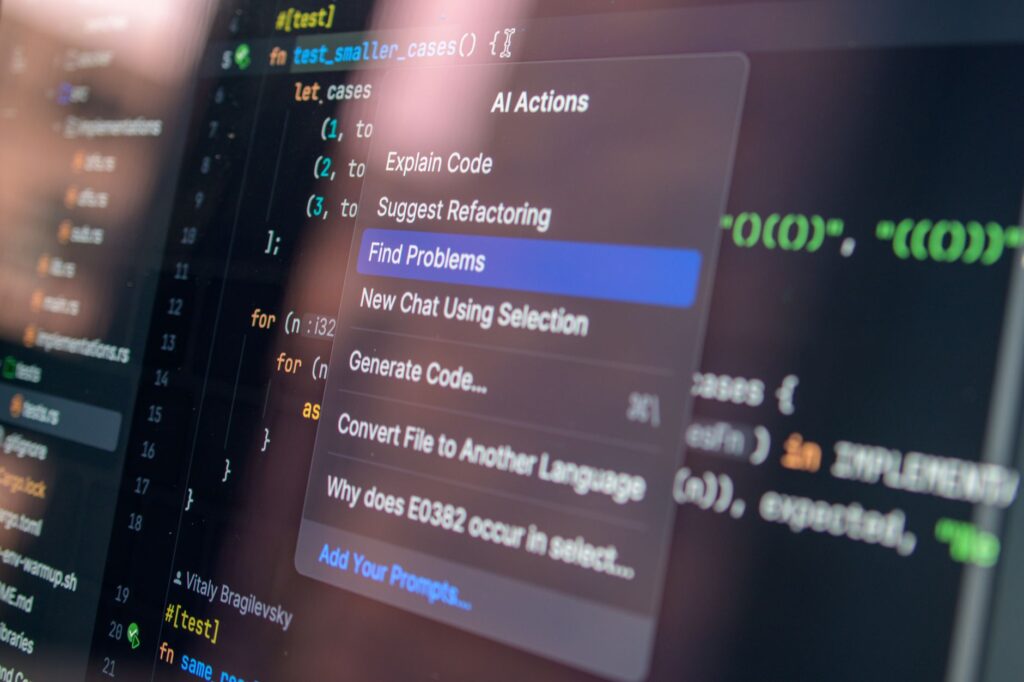
Unlock AI-Powered Sentiment Analysis AI is revolutionizing customer feedback. Quick. AI-powered sentiment analysis tools can automatically categorize customer feedback as positive, negative, or neutral, and I believe this is a game-changer for businesses, allowing them to use natural language processing and machine learning algorithms to understand the nuances of human language, which can be complex and context-dependent, and on top of that, providing more accurate and objective insights than manual analysis. I’ve used these tools before, and honestly, they’re powerful. Leveraging AI can help you identify areas for improvement and track changes in customer sentiment over time. You really need to see the data to understand the impact, and I think it’s essential to use AI-powered sentiment analysis in conjunction with human analysis and oversight, which can help to validate the results and catch any errors, and also, it’s amazing to see how it can help businesses improve their products and services, which is crucial for their success. The Benefits of AI-Powered Sentiment Analysis AI saves time and resources, which is a significant advantage. It is a no-brainer, if you ask me. By automating the analysis of customer feedback, businesses can free up staff to focus on higher-value tasks, like improving products and services, and I believe this is a key benefit, plus, AI-powered sentiment analysis provides a thorough understanding of customer sentiment. Look, I’ve seen it work, and it’s impressive. A client of my once used AI-powered sentiment analysis to analyze customer feedback on social media, and they were able to identify a pattern of complaints about a particular product feature, which was eye-opening, to say the least. Honestly, it’s a great tool. They were able to use this information to inform product development and improve customer satisfaction, and I think this is a great example of how AI-powered sentiment analysis can drive business results. How AI-Powered Sentiment Analysis Works Machine learning models are trained on large datasets. It’s complex stuff, but basically, it works. The models can then be applied to new, unseen data to analyze customer feedback smoothly, and I believe this is a key aspect of AI-powered sentiment analysis, and on top of that, it’s essential to evaluate the performance of these tools on your specific use case and adjust as needed. But what about accuracy, right? I’ve evaluated several AI-powered sentiment analysis tools, and I’ve been impressed by their accuracy – they’re able to correctly categorize customer feedback most of the time, and I think this is crucial for businesses. However, it’s essential to use these tools in conjunction with human analysis and oversight, which can help to validate the results and catch any errors, and also, it’s not perfect, tbh. Challenges and Limitations AI isn’t perfect, and that’s a fact. One challenge is dealing with sarcasm, irony, and other forms of subtle language, which can be difficult for AI models to detect, and I believe this is a significant limitation. It is frustrating, but you really need to understand these limitations. Another challenge is ensuring that the models are fair and unbiased, and that they don’t perpetuate existing social biases, and honestly, this is a critical issue. So, what’s the solution, sound familiar? I think it’s essential to use AI-powered sentiment analysis in conjunction with human analysis and oversight, which can help to validate the results and catch any errors, and I believe this is a key takeaway. You’ll get better results, and that’s a guarantee, and also, it’s essential to continuously monitor the performance of the tool and adjust as needed. Best Practices for Implementation Start small, ngl, and see how it goes. It’s a good idea to begin with a small sample. This will help you evaluate the tool’s accuracy and identify any areas for improvement, and I think this is a great approach, and on top of that, it’s essential to continuously monitor the performance of the tool and adjust as needed. But don’t stop there, know what I mean? And continually refine the tool to ensure it’s providing accurate and actionable insights, and I believe this is crucial for businesses. I’m a fan of iteration, and I think it’s essential to use AI-powered sentiment analysis in a way that drives business results. Conclusion So, are you ready to unlock AI-powered sentiment analysis, right? It’s an exciting technology that has the potential to transform the way businesses understand and respond to customer feedback, and I believe this is a significant opportunity. Honestly, it’s worth trying, and I think it’s essential to take advantage of this technology to drive business results. Give it a shot and see how it can help your business thrive – and don’t hesitate to reach out if you have any questions, sound familiar? And I think AI-powered sentiment analysis is a game-changer. And I’m excited to see how it will evolve in the future. But for now, it’s essential to use it effectively, and I believe this is crucial for businesses. Look, it’s a powerful tool, and I think it’s essential to use it in a way that drives business results. And honestly, I think it’s worth trying.

Scroll to Top