AI-powered auditing

Uncategorized

AI Tools for Small Business

AI Tools for Small Business If you work in a field where ai tools for small business comes up, you already know the difference between an approach that is simply talked about and one that actually gets used. This guide is about the practical side: what ai tools for small business really means, the mistakes that cost the most, and the specific steps that get results. Introduction Let’s be clear about one thing: ai tools for small business is a practical discipline, not a buzzword. At its core, ai tools for small business is about understanding the fundamentals before acting on them, which prevents wasted effort and misaligned expectations. What You Need to Know The most useful way to think about ai tools for small business is as a repeatable process. Write the process down once, reuse it, and refine it as you learn what works for your project. Documentation turns experience into repeatable results. The Basics The Basics matters most when it is connected to a concrete goal, not treated in isolation. Why It Matters Why It Matters matters most when it is connected to a concrete goal, not treated in isolation. Step-by-Step Approach What follows is the part of ai tools for small business that actually moves the needle. Clarify the outcome you are trying to reach, and what a successful result looks like. Collect the inputs you actually need — accurate data and clear requirements. Work the process in the right order, checking each stage before moving on. Review the result against your goal and note what to change next time. For ai tools for small business, this structured approach pays off consistently. Do it well, review it, and adjust. Step 1 When you focus on step 1, you are really investing in a smoother, more reliable process. Step 2 When you focus on step 2, you are really investing in a smoother, more reliable process. Step 3 When you focus on step 3, you are really investing in a smoother, more reliable process. Common Mistakes to Avoid Whether you are new to ai tools for small business or sharpening an existing process, the same fundamentals apply. Starting without a clear definition of the goal. Relying on a single best guess instead of a repeatable process. Ignoring the numbers until the end, when corrections are expensive. Treating ai tools for small business as a one-off task instead of continuous improvement. For ai tools for small business, these are the mistakes that cost the most — and they are all avoidable. Measuring Results Good ai tools for small business is less about doing more and more about doing the right things. Pick a small number of metrics that directly reflect your goal. Set a baseline so you can see real change rather than guesswork. Review at a regular cadence and adjust the process, not just the numbers. For ai tools for small business, tracking the right things turns guesswork into evidence. Conclusion You do not need to do everything at once. Master the fundamentals of ai tools for small business, measure what happens, and refine over time. That steady, deliberate improvement is what turns ai tools for small business into a genuine edge for your business. Write for the reader, not for a search engine. Make it genuinely useful. Let’s be clear about one thing: ai tools for small business is a practical discipline, not a buzzword. Define what a good outcome looks like, then work backwards to the steps that produce it. This keeps the effort focused and measurable. Use the primary keyword naturally a handful of times; never force it. The most useful way to think about ai tools for small business is as a repeatable process. Write the process down once, reuse it, and refine it as you learn what works for your project. Documentation turns experience into repeatable results. Use short paragraphs, lists, and concrete examples where they help. What follows is the part of ai tools for small business that actually moves the needle. Picture a project where the team applies this deliberately: they define the outcome, gather the inputs, follow the process, and review the result. The difference is measurable — and it is repeatable. Do NOT include a “” intro or any cliché. Start with real substance. Whether you are new to ai tools for small business or sharpening an existing process, the same fundamentals apply. The real value of ai tools for small business is the clarity it gives: you know what to do, and you know when it is working. Do NOT fabricate statistics, quotes, or sources. Good ai tools for small business is less about doing more and more about doing the right things. Keep the scope small and verifiable. Small wins build momentum and give you real data to improve with. Frequently Asked Questions What does AI Tools for Small Business mean? At its simplest, ai tools for small business is a practical way to handle the task it describes, using a clear process and measurable results. Why does AI Tools for Small Business matter? It matters because it directly affects how efficiently and accurately the work gets done, which translates into time and cost savings. How do I get started with AI Tools for Small Business? Start small: define the outcome, list the inputs, apply the process step by step, and review the result before expanding.


Uncategorized

Best Time Management Tools

Best Time Management Tools If you work in a field where best time management tools comes up, you already know the difference between an approach that is simply talked about and one that actually gets used. This guide is about the practical side: what best time management tools really means, the mistakes that cost the most, and the specific steps that get results. Introduction Let’s be clear about one thing: best time management tools is a practical discipline, not a buzzword. At its core, best time management tools is about understanding the fundamentals before acting on them, which prevents wasted effort and misaligned expectations. What You Need to Know The most useful way to think about best time management tools is as a repeatable process. Write the process down once, reuse it, and refine it as you learn what works for your project. Documentation turns experience into repeatable results. The Basics The Basics matters most when it is connected to a concrete goal, not treated in isolation. Why It Matters Why It Matters matters most when it is connected to a concrete goal, not treated in isolation. Step-by-Step Approach What follows is the part of best time management tools that actually moves the needle. Clarify the outcome you are trying to reach, and what a successful result looks like. Collect the inputs you actually need — accurate data and clear requirements. Work the process in the right order, checking each stage before moving on. Review the result against your goal and note what to change next time. For best time management tools, this structured approach pays off consistently. Do it well, review it, and adjust. Step 1 When you focus on step 1, you are really investing in a smoother, more reliable process. Step 2 When you focus on step 2, you are really investing in a smoother, more reliable process. Step 3 When you focus on step 3, you are really investing in a smoother, more reliable process. Common Mistakes to Avoid Whether you are new to best time management tools or sharpening an existing process, the same fundamentals apply. Starting without a clear definition of the goal. Relying on a single best guess instead of a repeatable process. Ignoring the numbers until the end, when corrections are expensive. Treating best time management tools as a one-off task instead of continuous improvement. For best time management tools, these are the mistakes that cost the most — and they are all avoidable. Measuring Results Good best time management tools is less about doing more and more about doing the right things. Pick a small number of metrics that directly reflect your goal. Set a baseline so you can see real change rather than guesswork. Review at a regular cadence and adjust the process, not just the numbers. For best time management tools, tracking the right things turns guesswork into evidence. Conclusion You do not need to do everything at once. Master the fundamentals of best time management tools, measure what happens, and refine over time. That steady, deliberate improvement is what turns best time management tools into a genuine edge for your business. Write for the reader, not for a search engine. Make it genuinely useful. Let’s be clear about one thing: best time management tools is a practical discipline, not a buzzword. Define what a good outcome looks like, then work backwards to the steps that produce it. This keeps the effort focused and measurable. Use the primary keyword naturally a handful of times; never force it. The most useful way to think about best time management tools is as a repeatable process. Write the process down once, reuse it, and refine it as you learn what works for your project. Documentation turns experience into repeatable results. Use short paragraphs, lists, and concrete examples where they help. What follows is the part of best time management tools that actually moves the needle. Picture a project where the team applies this deliberately: they define the outcome, gather the inputs, follow the process, and review the result. The difference is measurable — and it is repeatable. Do NOT include a “” intro or any cliché. Start with real substance. Whether you are new to best time management tools or sharpening an existing process, the same fundamentals apply. The real value of best time management tools is the clarity it gives: you know what to do, and you know when it is working. Do NOT fabricate statistics, quotes, or sources. Good best time management tools is less about doing more and more about doing the right things. Keep the scope small and verifiable. Small wins build momentum and give you real data to improve with. Frequently Asked Questions What does Best Time Management Tools mean? At its simplest, best time management tools is a practical way to handle the task it describes, using a clear process and measurable results. Why does Best Time Management Tools matter? It matters because it directly affects how efficiently and accurately the work gets done, which translates into time and cost savings. How do I get started with Best Time Management Tools? Start small: define the outcome, list the inputs, apply the process step by step, and review the result before expanding.

AI-Powered Accessibility Auditing for Websites: Boost User Experience — featured image
Uncategorized

AI-Powered Accessibility Auditing for Websites: Boost User Experience

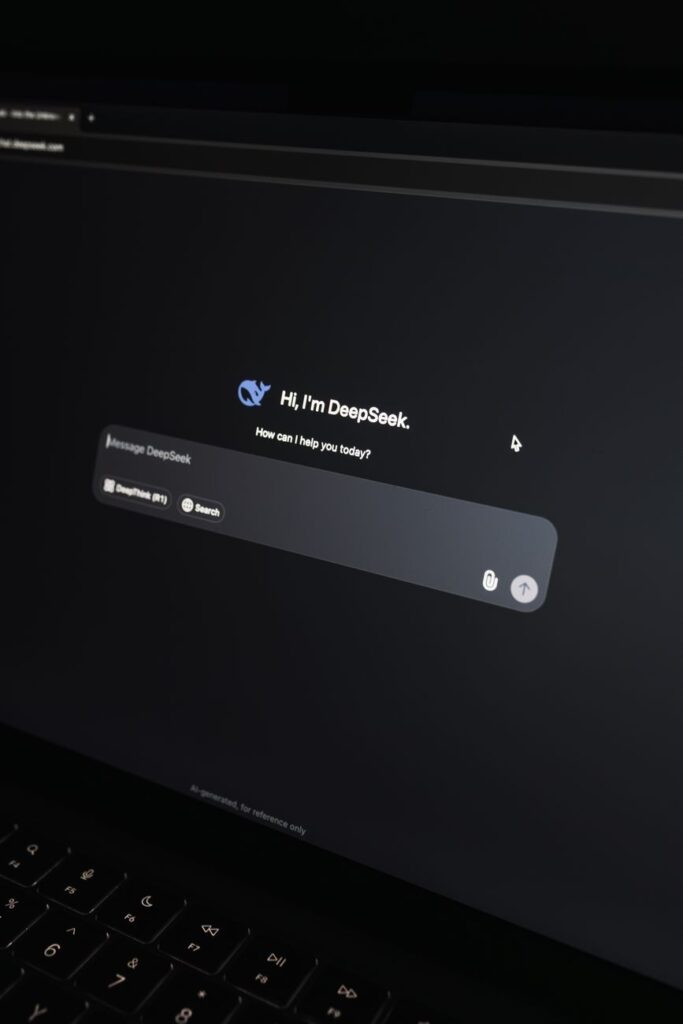
AI-Powered Accessibility Auditing for Websites: Boost User Experience I still remember the first time I encountered a website that was completely inaccessible to me. I was trying to order groceries online for my family’s dinner, but the website’s navigation was so convoluted that I ended up getting frustrated and giving up. That’s when it hit me – website accessibility is a huge deal. And I’m excited to share a solution that can help make your website more accessible: AI-powered accessibility auditing. The State of Website Accessibility Let’s face it, website accessibility is still a major issue. The World Health Organization says over 1 billion people worldwide live with some form of disability. That’s a huge chunk of potential customers who might be excluded from using your website if it’s not accessible. And it’s not just about being inclusive; it’s also about complying with regulations like the ADA and WCAG. I’ve seen some websites that claim to be accessible, but when you dig deeper, you realize they’re not. It’s frustrating, and it’s not just about checking boxes; it’s about creating a genuinely inclusive experience for all users. AI-Powered Auditing to the Rescue So, what if I told you there’s a way to automate the process of accessibility auditing using AI? I know it sounds too good to be true, but trust me, it’s not. AI-powered accessibility auditing tools use machine learning algorithms to scan your website for accessibility issues, such as missing alt tags, inadequate color contrast, and unclear navigation. These tools can even provide recommendations for fixing these issues, making it easier for you to ensure your website meets WCAG compliance standards. How it Works Here’s how it typically works: you input your website’s URL into the AI-powered auditing tool, and it starts scanning your site for accessibility issues. The tool then uses its algorithms to analyze the site’s structure, content, and code, identifying potential problems and providing a report on its findings. Some tools even offer a scoring system, so you can see how accessible your website is compared to others. Automated scanning for accessibility issues Recommendations for fixing identified issues WCAG compliance reporting Scoring system for benchmarking accessibility And honestly, I’ve used some of these tools myself, and they’re really helpful in identifying issues that I might have missed. But I also know that AI-powered auditing tools aren’t perfect – they might not catch every single issue, especially if your website has some custom or complex features. Inclusive Design and Digital Accessibility Now, I know some of you might be thinking, “Accessibility is just about following rules and regulations, right?” But it’s more than that. It’s about creating an inclusive design that provides equal access to information for everyone. I think that’s something we should all be striving for. Digital accessibility is a fundamental aspect of creating a more inclusive society, and it’s our responsibility as web developers and designers to make sure our websites are accessible to all. – And it’s not just about doing the right thing; it’s also about avoiding potential lawsuits and fines. You really need to prioritize website accessibility. Benefits of AI-Powered Accessibility Auditing So, what are the benefits of using AI-powered accessibility auditing tools? For one, they can save you a ton of time and effort in manually auditing your website. Plus, they can help you identify issues that you might have missed, and provide recommendations for fixing them. I’ve seen this firsthand – AI-powered tools can be a game-changer. Ever tried manually auditing a website for accessibility? It’s a daunting task, even for an expert. But with AI-powered tools, you can get a complete and thorough assessment of your website’s accessibility. WCAG Compliance and Digital Accessibility WCAG compliance is a critical aspect of digital accessibility. The Web Content Accessibility Guidelines (WCAG) provide a set of recommendations for making web content more accessible. And while it’s not the only accessibility standard out there, it’s a widely accepted one. I think it’s essential to use AI-powered accessibility auditing tools to ensure your website meets WCAG compliance standards, which can give you peace of mind and help you avoid potential legal issues. Look, I know that sounds obvious, but hear me out. WCAG compliance is not just about checking boxes; it’s about creating a genuinely inclusive experience for all users. Anyway, I hope this helps you understand the importance of AI-powered accessibility auditing for websites. So, to wrap this up, it’s not just about following rules and regulations; it’s about creating a more inclusive digital experience for everyone. And if you’re interested in learning more, I’d be happy to share some resources with you. Hope this helps, and come back for more – I’ll be sharing some more insights on digital accessibility and inclusive design in the future!

Scroll to Top